Local products and know-how: these restaurants that cook with care
Tandoor oven, charcoal grill, pork from Ferme Turlo, organic vegetables from La Baigneuse, hand-pleated dumplings: the craft behind the plate.
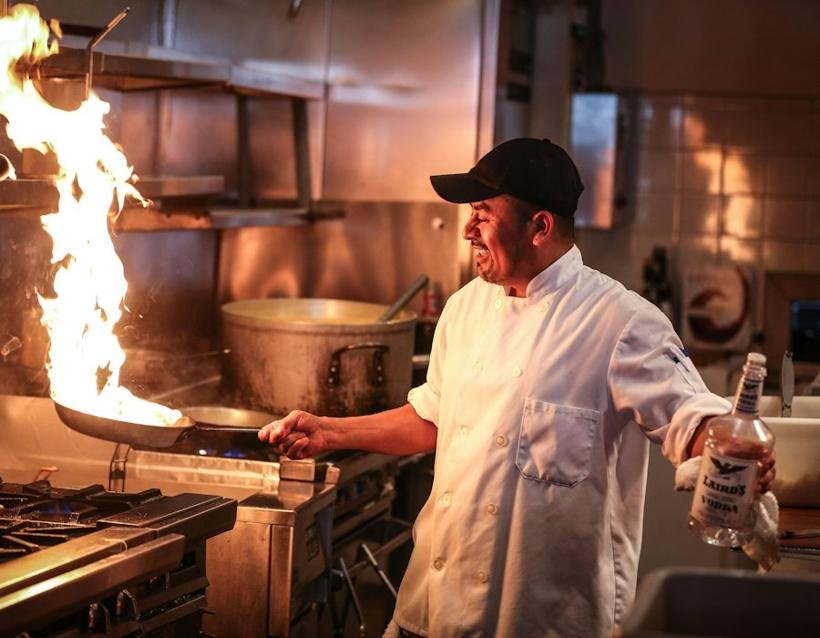
Behind every successful dish are gestures repeated thousands of times, carefully chosen ingredients and, often, a family story or tradition passed down. We rarely talk about it when ordering, yet it is what turns an ordinary meal into a memorable one. This week, we wanted to shine a light on the work behind the menu: traditional techniques, local suppliers and the care taken with details in several restaurants on our platform.
The choice of producer: when origin matters
In Quebec City, two places clearly show where their ingredients come from, a commitment worth praising.
In the Saint-Roch neighbourhood, Tora-Ya Ramen specifies that its pork comes from Ferme Turlo. In a bowl of ramen, the meat is not just a side: it flavours the broth and brings the melting texture that makes the dish famous. Choosing an identified farm means betting on consistency and a short supply chain.
Rue Saint-Jean, Nina Pizza Napolitaine sources organic vegetables from La Baigneuse farm. On a Neapolitan pizza, where the topping is deliberately simple, the quality of each ingredient is immediately noticeable. Pizzas with marinated vegetables, artichokes or peas and pancetta benefit especially. The house also offers vegan options and a gluten-free crust.
Fire, the cook's first tool
Some kitchens are inseparable from their cooking method.
In Laval, Mezza & Co cooks its grills over charcoal. This choice requires attention and experience: the heat varies, and you must move the skewers at the right moment. But nothing replaces the light smoky flavour and caramelisation that embers bring to a shish taouk, a kafta or lamb chops.
In Chomedey, Tandoori Palace, and in Montreal, Zykaa, use the tandoor, the cylindrical clay oven typical of northern India and Pakistan. Its intense heat sears meats marinated in yogurt and spices, such as tandoori chicken or reshmi kebab, while keeping the inside tender. The breads are also baked in the tandoor: the dough is slapped against the scorching wall, where it puffs up in moments. Garlic naan, onion kulcha or tandoori roti do not taste the same when baked in an ordinary oven.
The work of hands
Rue Sainte-Catherine Ouest, Sammi & Soupe Dumpling built its reputation on xiao long bao. These small dumplings demand surprising precision: the dough must be thin enough to be delicate, yet strong enough to hold the broth during steaming. The pleats, sealed at the top, are shaped one by one. Every basket that reaches the table therefore represents real artisan work.
The cuisine of generosity
Some tables stand out for their generosity and their role in the community.
In Sainte-Foy, La Calebasse is at once a restaurant, caterer and grocery store. You can eat a ndolé or tchep there, then leave with the ingredients needed to cook at home. Its house juices, from bissap hibiscus to ginger juice and baobab, extend this link between cooking and the traditions of West Africa.
In Ahuntsic-Cartierville, Fourchette Antillaise keeps alive the Haitian tradition of the large shared meal. Its Sunday buffet and group menus accompany family celebrations, baptisms and gatherings, with dishes that require long hours of preparation: marinated griot, goat, tassot, lambi.
Why these details matter
- Taste : a fresh, local and well-chosen product needs fewer tricks to be flavourful.
- Consistency : knowing your supplier helps guarantee the same quality from one week to the next.
- Local economy : every purchase from a Quebec farm supports jobs in the regions.
- Transmission : traditional techniques survive because cooks keep practising them every day.
Encourage restaurants that make this choice
The best way to support these places is to go, talk about them and leave an honest review after your visit. On Trouveresto, each listing lets you rate the cuisine and the service separately, which helps other customers form a fair picture. Also take the time to ask staff about where the products come from: it is often the start of a good conversation, and proof that this invisible work does not go unnoticed.